Literary Pilgrimage to Kent
A Literary Pilgrimage to Kent: History, Writing, and My OG Author Fangirl Crushes
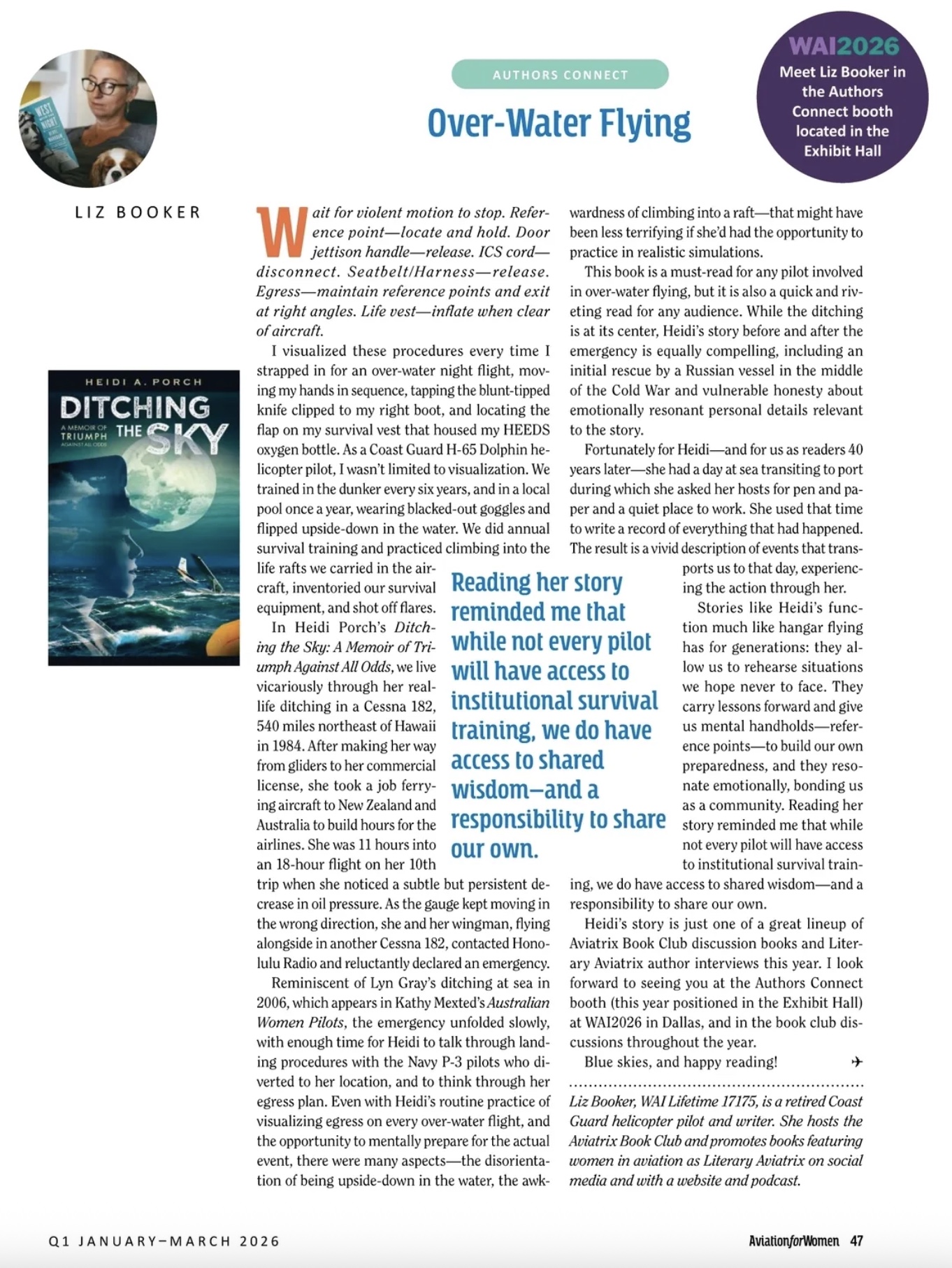
In October 2010, while serving as a Coast Guard helicopter pilot in Los Angeles, I reached out to Sherri L. Smith, whose novel Flygirl was the only young adult book I’d found featuring a Black woman pilot. I was working on a young adult novel of my own about a girl who is mentored by a Haitian American woman pilot, and had recently attended my first Society of Children’s Book Writers and Illustrators (SCBWI) event. When I shared my project, another writer recommended Flygirl, and I ordered it immediately.
I enjoyed the book so much that I wrote to Sherri to tell her about two aviation organizations I thought would be enthusiastic audiences for her work: Tomorrow’s Aeronautical Museum in Compton, where I’d recently participated in an air fair, and Women in Aviation International, whose annual conference I’d attended for years. Sherri responded the following day with a lovely note encouraging my writing and thanking me for the connections. I recently dug up that email exchange, and it was a pleasure to revisit our first introduction, especially considering how our paths have crossed in the years since.
From: Liz Booker
Sent: Sunday, October 24, 2010 10:42 AM
To: Sherri L. Smith
Subject: Women in Aviation
Hi Sherri,
I am a Coast Guard helicopter pilot working on a young adult novel about a girl who learns how to fly. I was recently assigned to Air Station Los Angeles and decided to immediately get involved in the local SCBWI chapter. I went to my first event last weekend and when I mentioned my book, one of the ladies told me about you and your novel, Flygirl. I ordered it right away and am in the middle of reading it as I write this.
I’m very excited that you wrote the book! My story also includes elements of race and the scarcity of african american pilots even today. I wanted to tell you about a couple of the venues where I think your work would really be appreciated, if you are not already aware of them.
The first is in Compton. I flew an aircraft into the Compton Air Fair a couple of weeks ago and discovered an amazing world of aviation enthusiasts who are inspired and mentored by the real Tuskeegee Airmen and many hard-working pilots. The airport has an incredible kids program; I met a 12 year old boy who has flown both fixed and rotary wing aircraft under the tutelage of flight instructors there. He has to pay $25 a month to participate, or he can do community service to cover the cost. Their aircraft are signed by Tuskeegee Airmen and other record-breakers. There are over 600 participants in the program. I think they would be a wonderful audience for your story.
http://www.tamuseum.org/angels
The second is the Women in Aviation International annual conference. I participate in this industry-wide conference (typically with 3,000+ attendees) every year and am always scouring the booths for new, inspiring and historical books about women pilots. The WASPs usually attend the conference and some portion of the event is dedicated to them. I suggest that your book would do very well with this audience also. I know that the conference organizers maintain a main booth/store where they sell many books. I would suggest contacting them to see how you might get your book at the next conference in February. I have purchased many autographed aviation books at this booth. http://www.wai.org/11conference/index.cfm
Anyway, I love the book. There is a vacuum of aviation ANYTHING about or for women, and especially African American women interested in aviation; your book is a welcome addition! Even if it does deal with a painful past, it is at once educational and inspirational. Thank you for writing it.
I look forward to meeting you some day!
Sincerely,
Liz Booker
From: Sherri L. Smith
Date: Monday, October 25, 2010 11:26 AM
Hi Liz,
I’m so glad you found SCBWI. It was such a valuable resource to me when I first started writing novels, and continues to be a great organization. How exciting to have an aviation novel written by an actual working pilot. That gives me a thrill. Good luck with the writing– it sounds like you know exactly who your audience is and they are just waiting for you to type “The End.”
Thank you for the resources, as well. I am familiar with Women in Aviation and recently spoke to some representatives about their annual conference. We’ll see what happens, but it would be a treat to attend. I was unaware of the group in Compton, however. I will certainly have to check it out. I’ve done some events with the California African American Museum, but Tomorrow’s Aeronautical Museum is new to me. What a fantastic organization! The informational video brought tears to my eyes. Thank you for sharing it with me.
Best of luck with your book. Please stay in touch and let me know how it goes.
Happy writing!
Sherri
Several years later, when I finally enrolled in the Writing for Children and Young Adults MFA program at Vermont College of Fine Arts, practically everyone in the program asked whether I’d read Elizabeth Wein’s Code Name Verity. When I finally did, I understood their enthusiasm. Elizabeth had written a brilliantly researched and emotionally compelling novel about two young women whose friendship unfolds against the backdrop of World War II, with aviation central to the story.
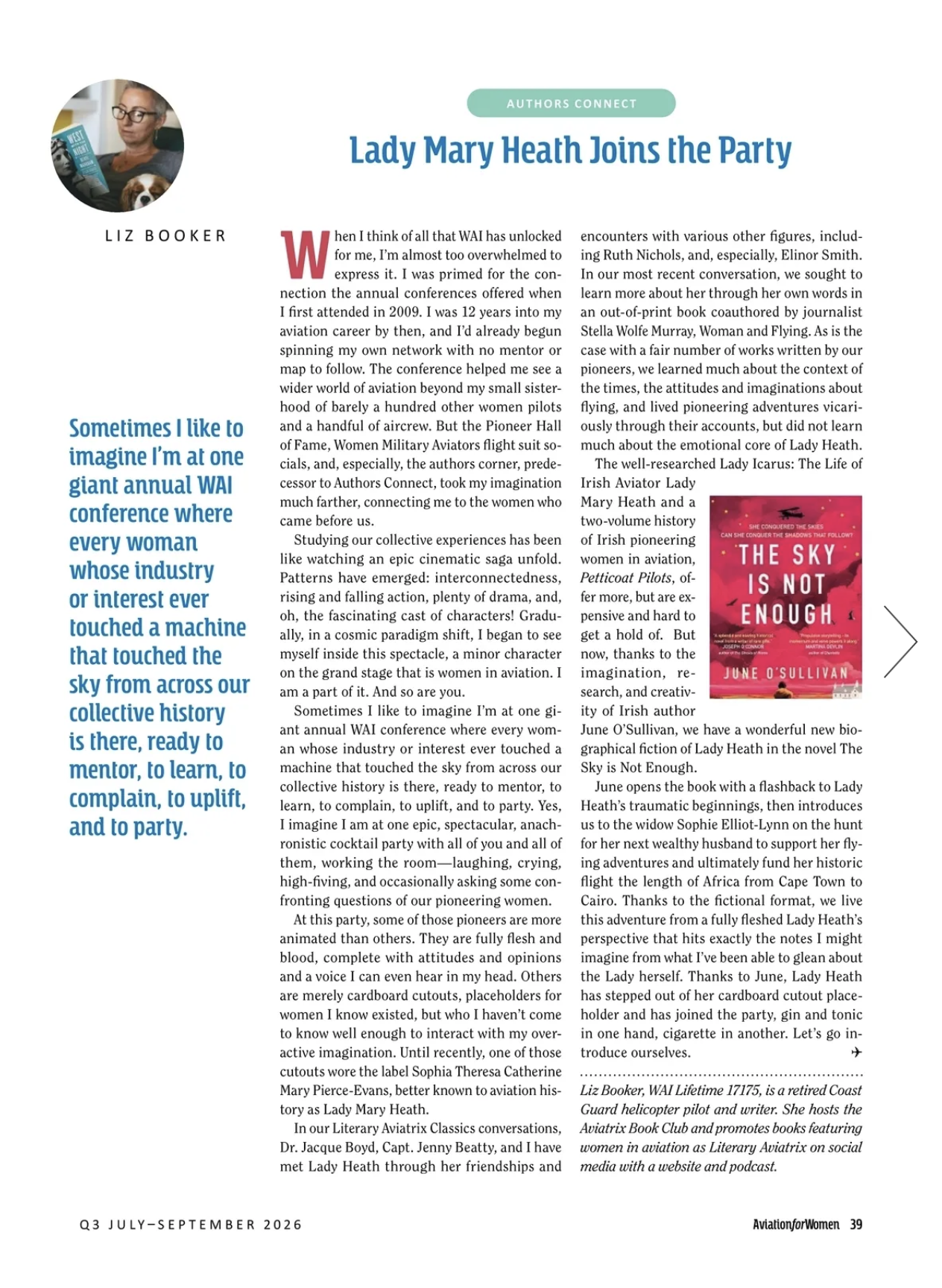
I couldn’t have imagined then that I’d eventually have the pleasure of getting to know both authors through the Aviatrix Book Club, interviewing them for my podcast, collaborating with them on events celebrating women in aviation, and, sixteen years after that first email to Sherri, spending a week with them in England discussing a completely different manuscript.

When Sherri and Elizabeth announced their World War II Readers and Writers Tour of Kent, I was the first to sign up. Both have written extensively about World War II in fiction and nonfiction, including their collaboration on American Wings, the history of pioneering Black aviators in Chicago. I’ve admired their work for years, and the opportunity to learn from them while exploring the places that have inspired so much of their writing was irresistible.
From Aviation History to Narrative Nonfiction
For the past year, I’ve been working on a history of women in aviation told in the context of the women’s and civil rights movements. The project began as a textbook intended to support an undergraduate course, and I’ve organized it around a fifteen-week syllabus. But as the manuscript has developed, I’ve become increasingly interested in writing something that will appeal to a much broader audience.
I’m trying to tell the history of aviation alongside the history of women’s changing roles and opportunities, with all the political, technological, economic, and cultural developments that shaped both. There is an enormous amount of material to work with, and one of my biggest challenges has been deciding how to organize it into a coherent narrative that readers will want to follow.
Historical fiction writers are particularly good at finding the human experiences that make an unfamiliar time and place accessible to contemporary readers. I wanted to explore how I might apply some of those techniques to nonfiction without compromising the historical record.
Before the trip, I sent Sherri and Elizabeth fifteen pages from Chapter Four, which covers the women flying for their countries in Europe during the early years of World War II, before the United States entered the war. Elizabeth has spent a significant portion of her writing career researching this period, so I was particularly interested in her perspective on the chapter.
I had several goals for the week: learn as much as I could about narrative structure, point of view, and voice; immerse myself in the historical settings we would visit; and make my first visits to archives to begin learning how to navigate that world for this and future projects.
I also planned to spend a weekend in London exploring feminist history and visiting some of my wonderful Aviatrix Book Club friends, but I’ll save those adventures for another post.

Canterbury and Our Literary Pilgrimage
I arrived in London on an overnight flight from Miami, and because we were a little early, we spent some time in a holding pattern over the city. It was a gorgeous morning, and I had a spectacular view of the Thames and the London Eye before we landed.
From Heathrow, I made my way by train to Canterbury, where I was immediately charmed by the cobblestone streets and beautiful old buildings. Our hotel, the ABode Canterbury, was right in the center of town, just a couple of blocks from Canterbury Cathedral. I had time to explore the cathedral, have a delicious lunch, and get a little rest before meeting our group for dinner.
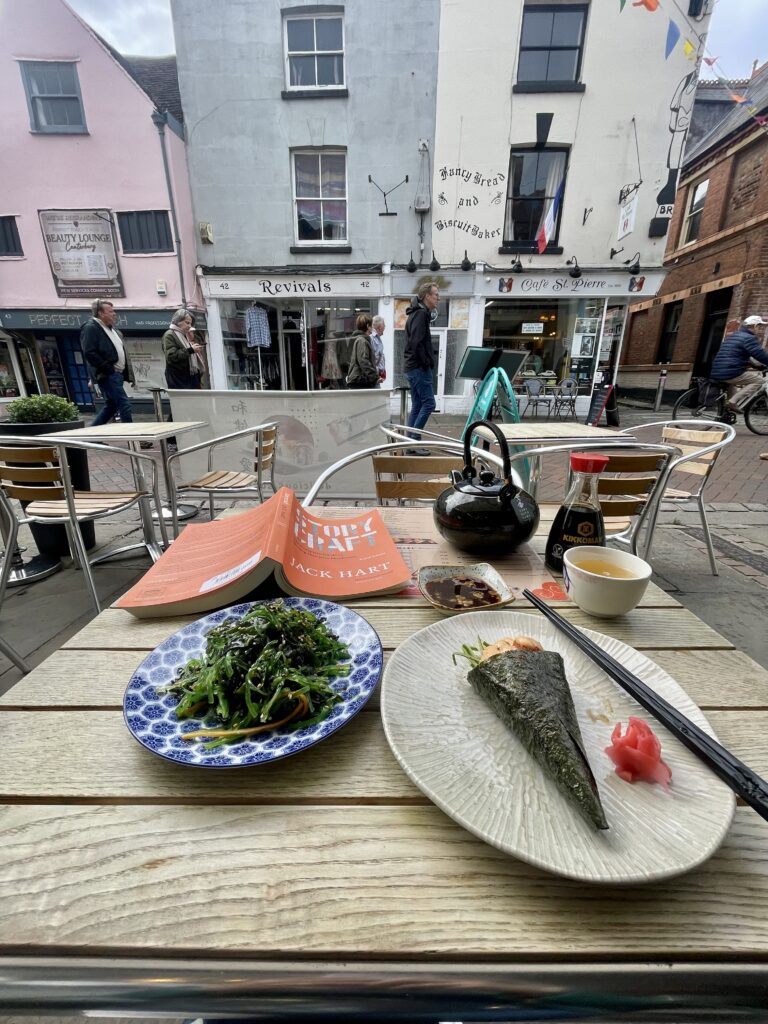
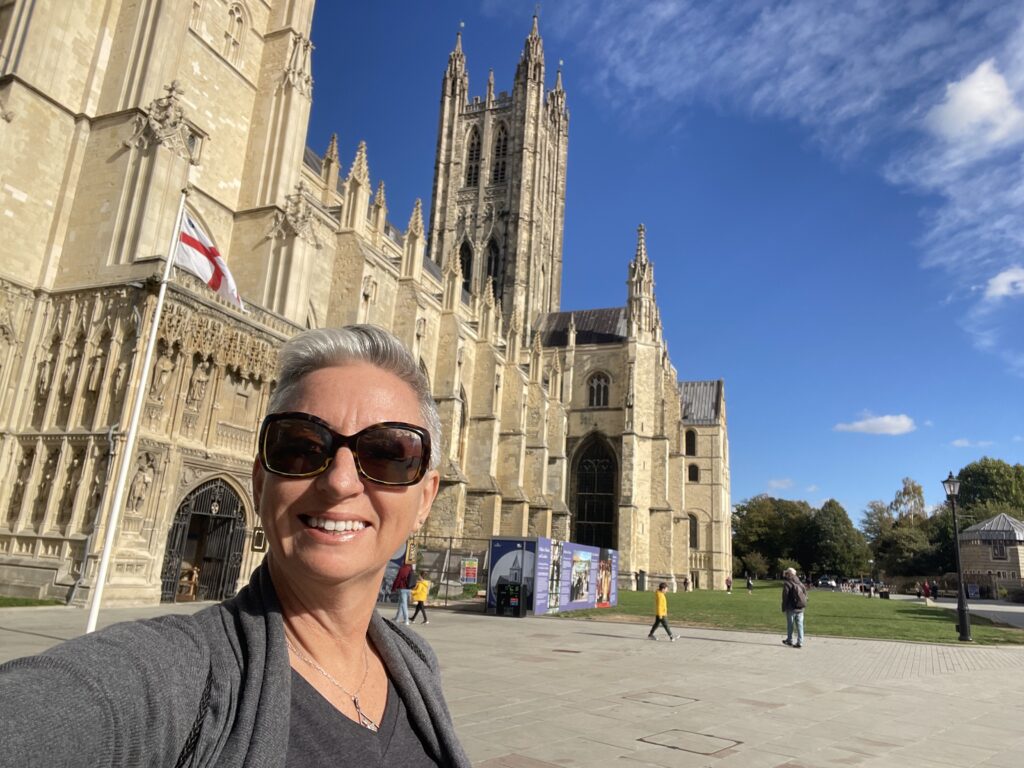
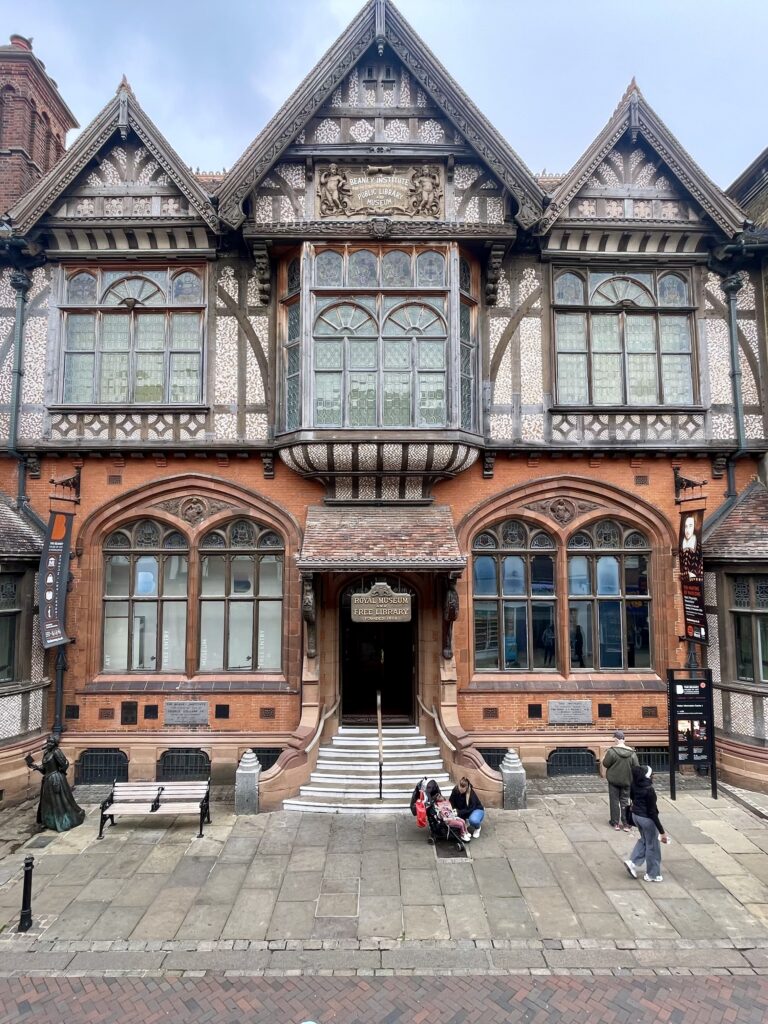
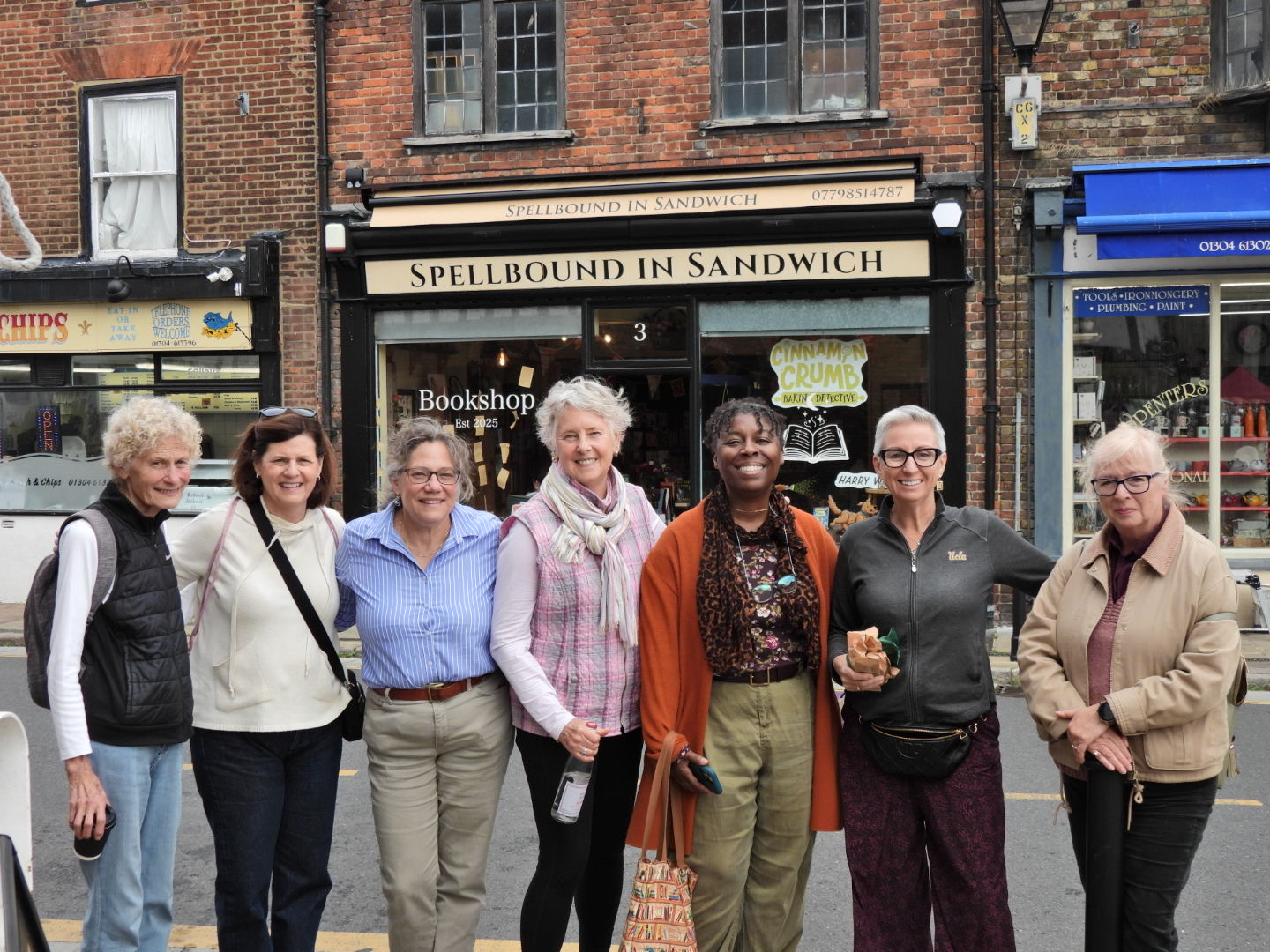
Our traveling group was small, with three other writers and one husband joining Sherri and Elizabeth. Riki Thompson and Nancy K. had connections to the Hamline University writing program, where they’d worked with one or both of our hosts, and Riki is also a sister VCFA Writing for Children and Young Adults alum. Laura Proctor, a recently retired lawyer, discovered the tour through a website listing writing retreats. Everyone brought interesting projects and experiences to the group, and we had a wonderful time getting acquainted over a delicious multiple-course dinner planned by Elizabeth and Sherri in a beautifully appointed private upstairs bar and dining room at The Cosy Club.
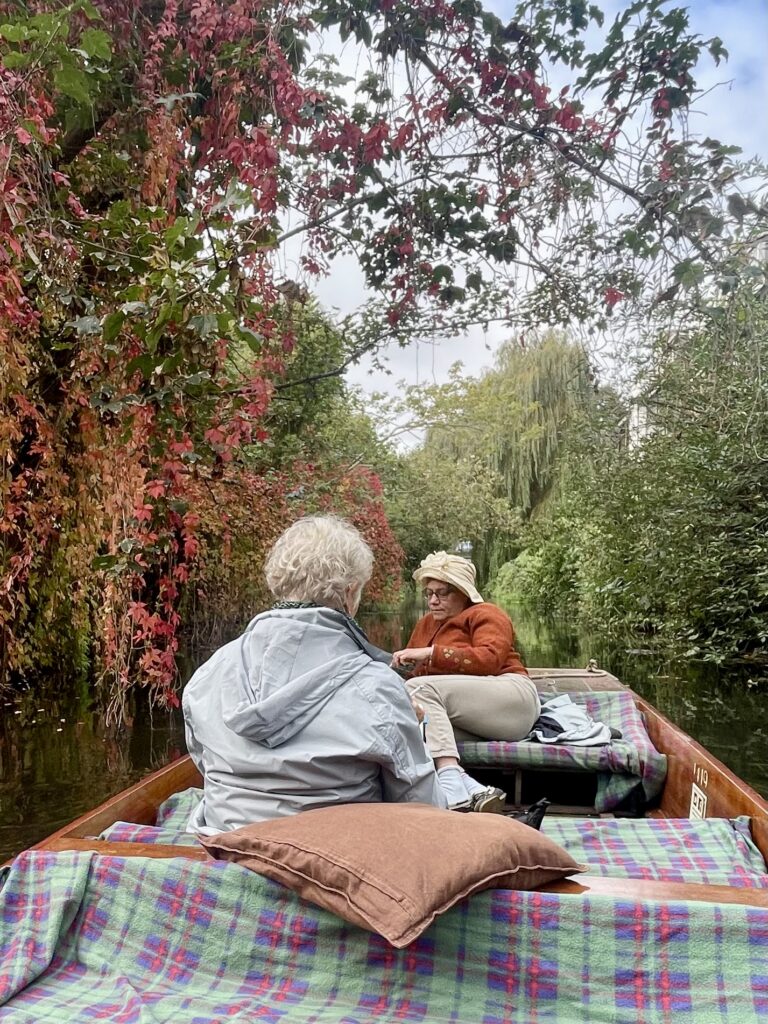
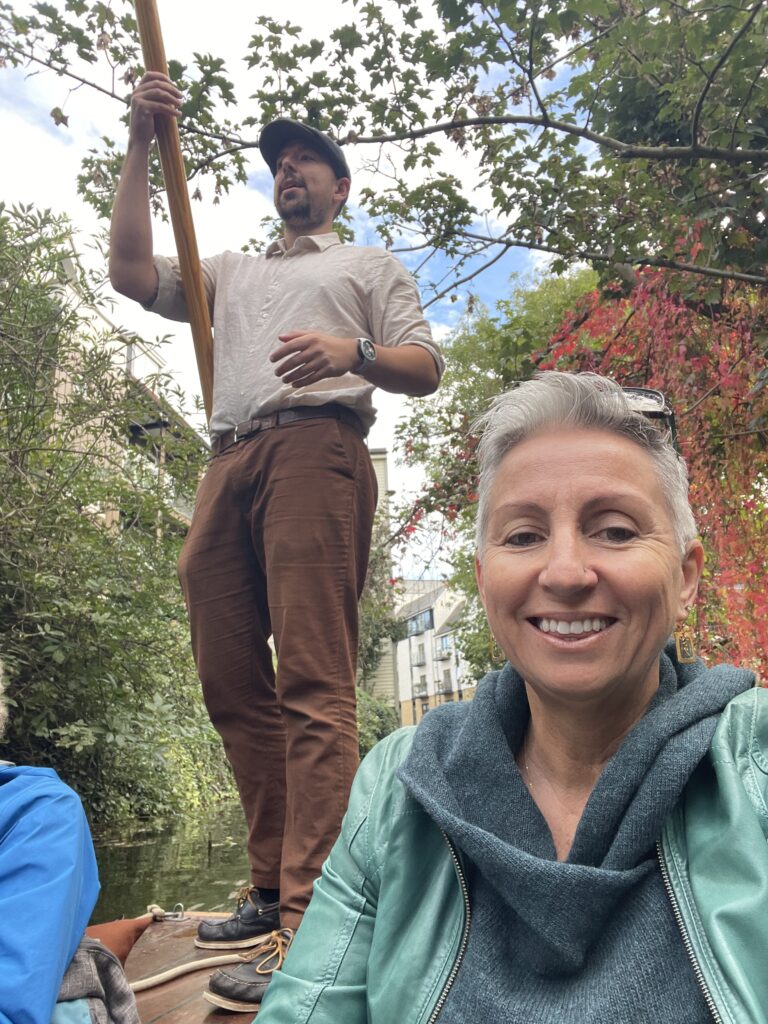
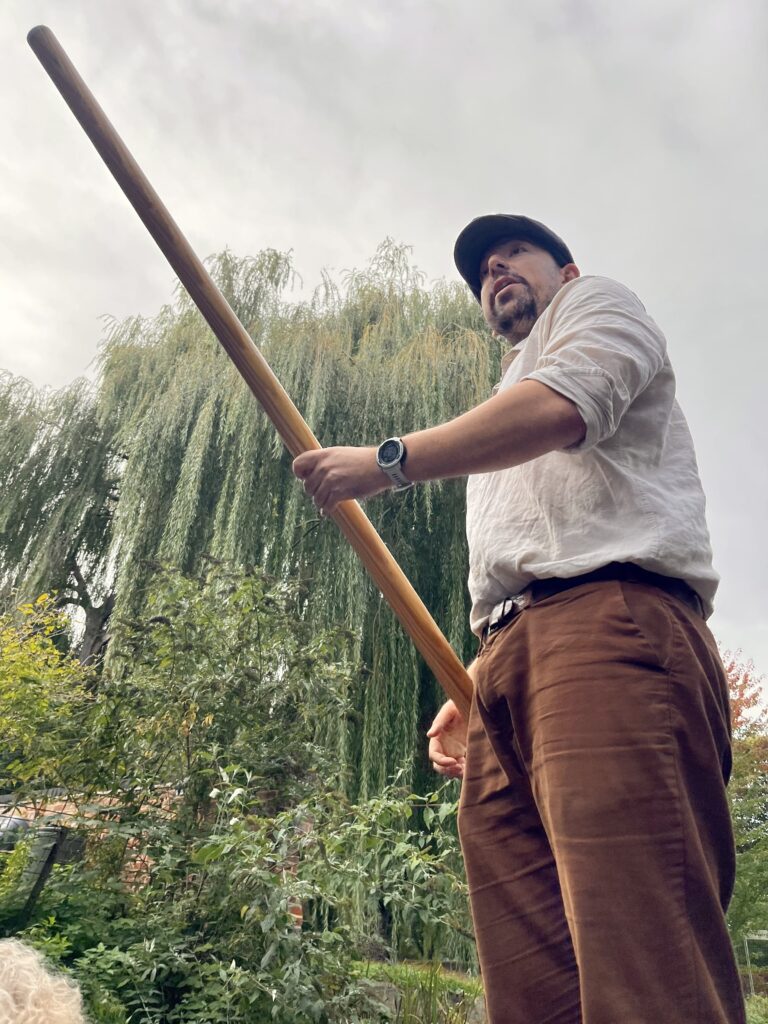
The next morning, we began our literary pilgrimage with a guided punting tour on the River Stour. Our guide was both an ecologist and historian, and as we traveled through Canterbury, he talked about the city’s history, the river’s ecosystem, and the work being done to preserve it. It was a lovely introduction to a place where centuries of history are visible in the buildings, streets, and landscape.
That afternoon, we gathered for our first writing session with Sherri and Elizabeth to discuss research, story structure, point of view, and voice.
One exercise asked us to write a scene from our main character’s perspective, describing what they might see and do when they woke in the morning, then rewrite the same scene from another perspective.
Since I was the only person in the group working on nonfiction, and because Elizabeth has written about her in A Thousand Sisters, I was encouraged to write from the perspective of Marina Raskova, the Soviet aviator who organized three women’s aviation regiments during World War II. I chose to imagine the morning she left her eight-year-old daughter to go to war. For the second exercise, I wrote about the same moment from my perspective as the historian telling her story.
It was a fascinating exercise in the possibilities and limitations of narrative nonfiction. I can imagine Raskova’s morning, draw on what I know about her life and circumstances, and use that exercise to consider what details might help readers connect with her experience. But in the finished history, I have to distinguish between what the historical record establishes and what I might reasonably imagine.
That distinction is one of the central challenges of the book, and I found the exercise particularly useful for thinking about how to develop a narrative voice that engages readers while remaining faithful to the evidence.
Elizabeth also introduced a phrase that became something of a theme for the week:
“History is a foreign country.”
Traveling to a place with such a distinct history and landscape certainly heightened my awareness of the details I might otherwise overlook while researching from home. We talked about how setting, objects, and sensory experiences can help us understand the circumstances in which historical events unfolded.
Sherri shared another favorite quotation, attributed to Gloria Steinem about the women’s writing community Hedgebrook: “It’s not a retreat, it’s an advance.”
That was certainly the goal.
The White Cliffs of Dover and the Battle of Britain
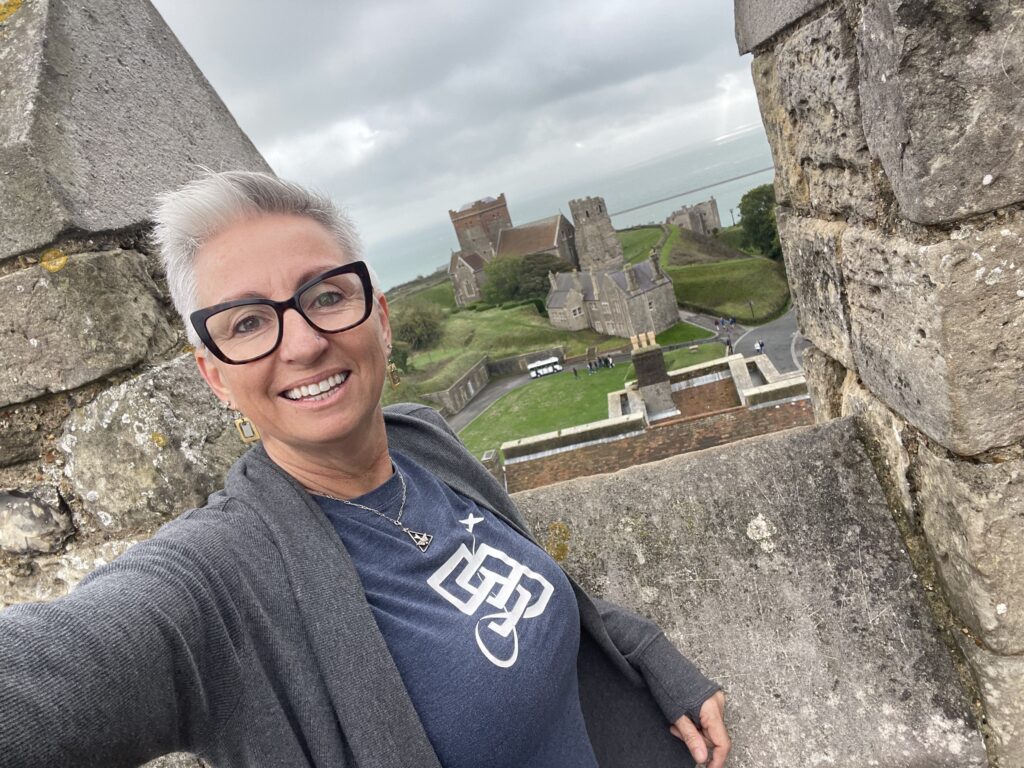
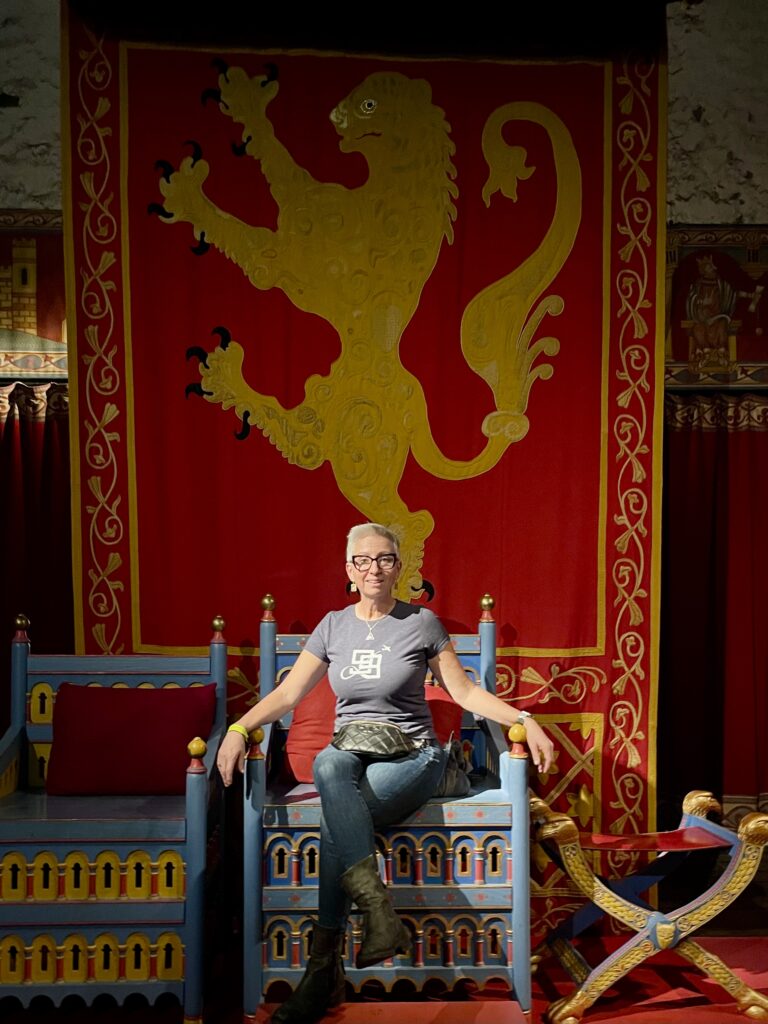
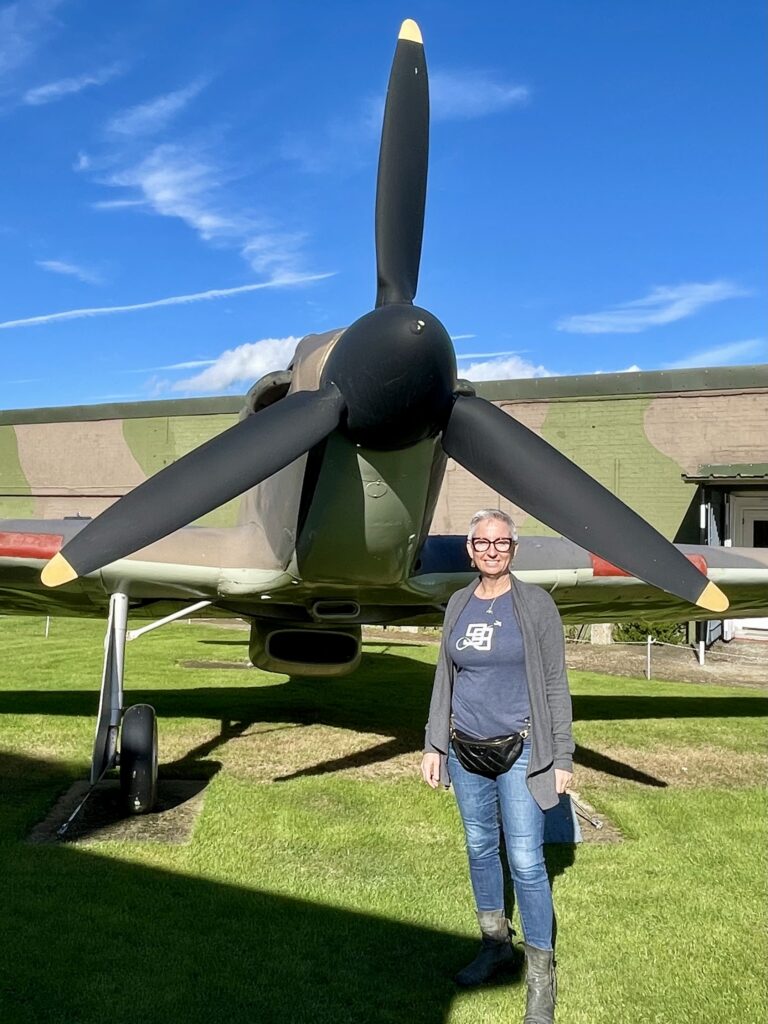
Our second day took us to Dover and the surrounding countryside, with visits to Dover Castle, the Battle of Britain Memorial at Capel-le-Ferne, and the Battle of Britain Museum at Hawkinge.
The White Cliffs of Dover are so very WHITE!
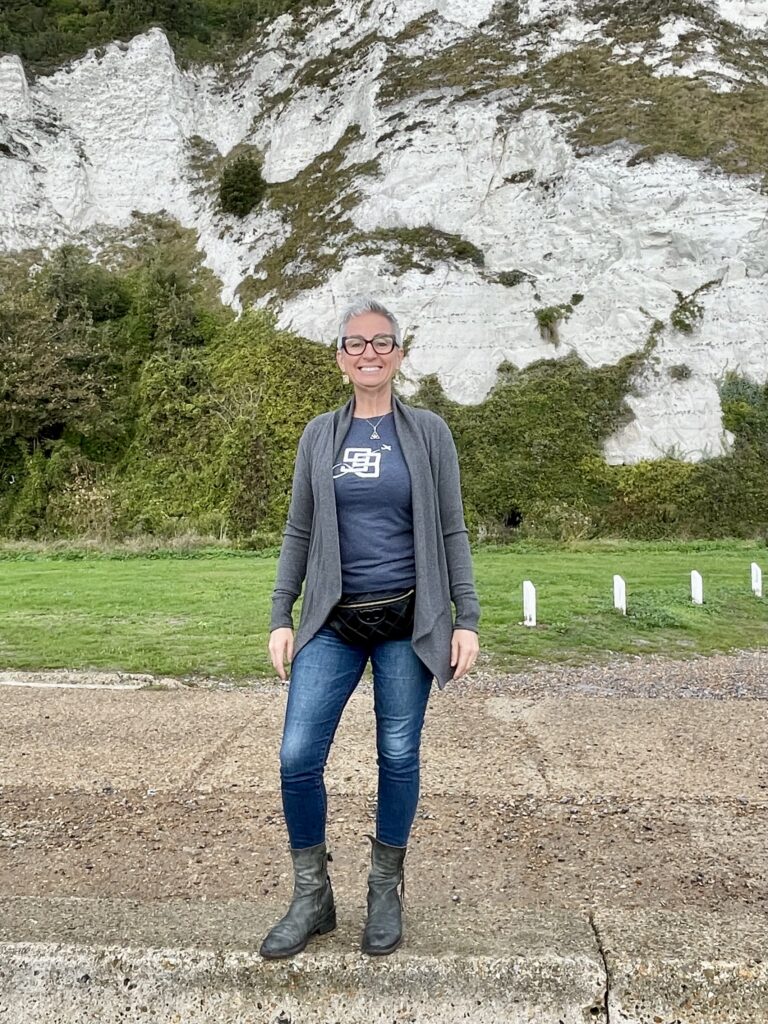
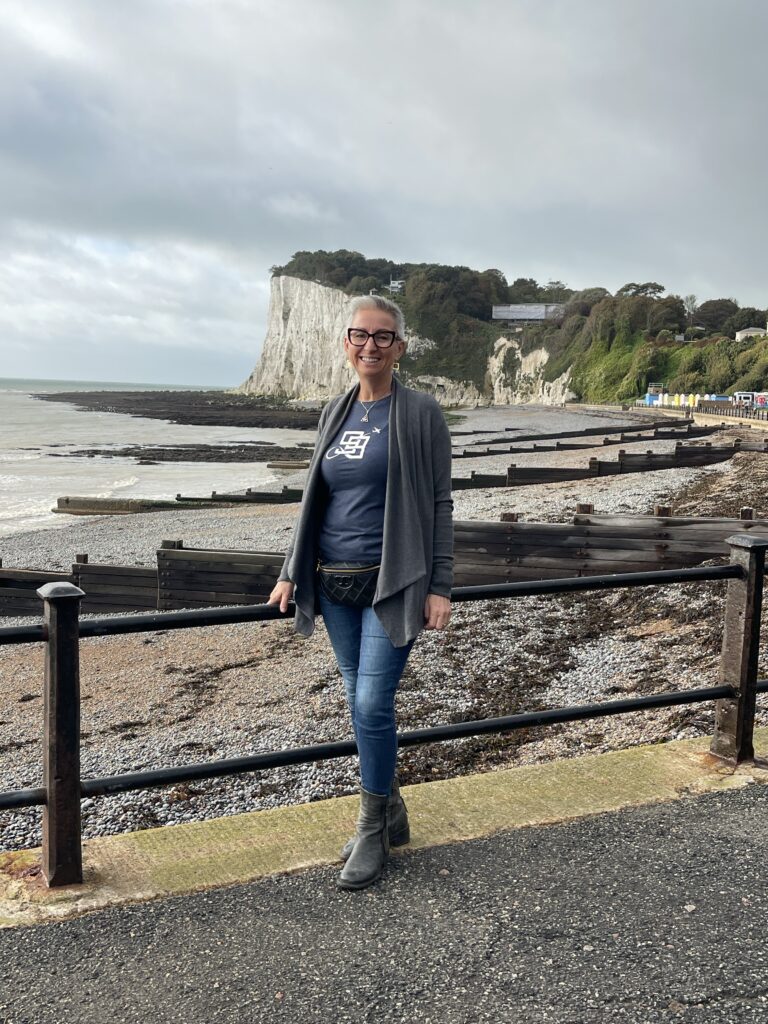
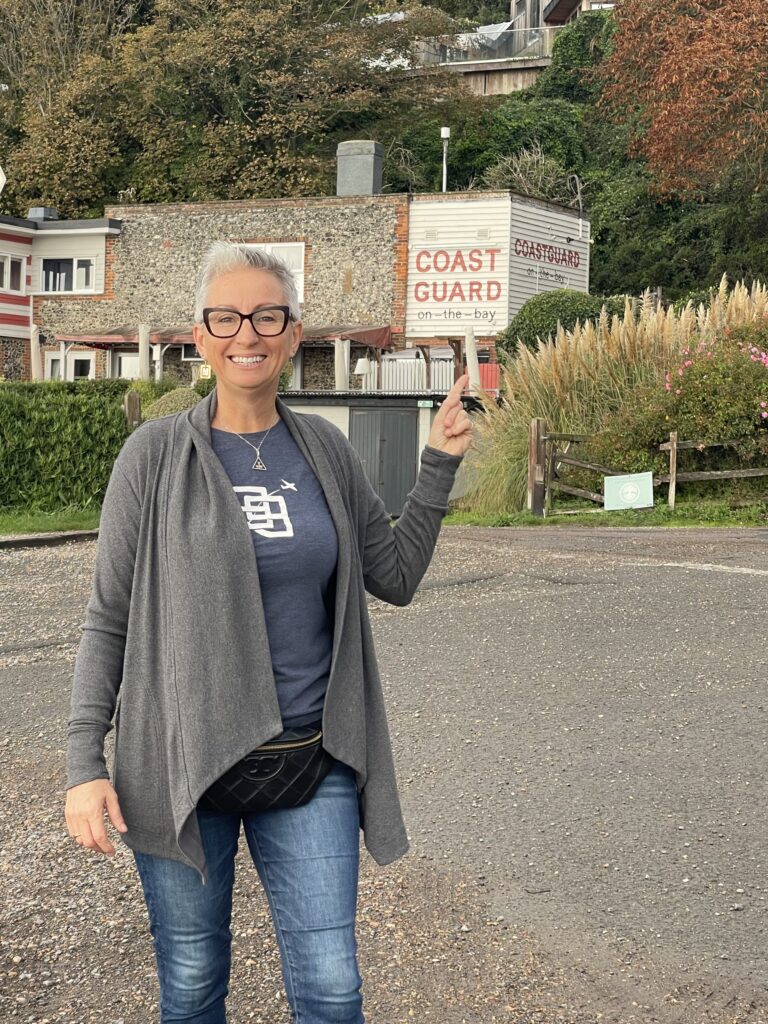
I was absolutely giddy at the beauty of the scenery, while also appreciating the strategic importance of this landscape throughout centuries of English history. Looking across the English Channel toward France brought a new perspective to the Battle of Britain and the experiences of the pilots who defended the country against the Luftwaffe.
As a pilot, I was particularly interested in the aircraft, equipment, and stories of the people who flew them. At the Battle of Britain Museum, I was struck by a collection of damaged propellers, many still attached to engine blocks and aircraft. The blades were swept backward into disturbingly beautiful sweeping curves as if intentionally sculpted by the force of their spinning impact with the ground.
Those propellers inspired a writing exercise later in the week in which I imagined the final moments of German test pilot and aeronautical engineer Melitta Schiller, who was killed in April 1945 when her aircraft was attacked by an American fighter.
Schiller is a particularly complicated figure who you can read more about in Clare Mulley’s The Women Who Flew for Hitler. A brilliant engineer and pilot of Jewish ancestry, she worked within the Nazi military aviation establishment, contributing to the development of weapons and tactics while navigating the dangers posed by the regime’s racial policies. Her life raises difficult questions about survival, complicity, resistance, and the choices available to individuals living under authoritarian rule.
For the exercise, I imagined her regaining consciousness after the crash, trying to make sense of the dirt and grass covering her windscreen and the grotesquely bent propeller blades visible beyond it. Her engineer’s mind slowly recognizes what has happened even as her injuries overwhelm her.
It was an opportunity to experiment with a much closer narrative perspective than I would ordinarily use in nonfiction, but the exercise helped me think about how to convey the physical and emotional realities of these women’s experiences, particularly if I do have access to their personal diaries or interviews.
We also had the extraordinary surprise of a Spitfire flying by while we were visiting the Battle of Britain Memorial. Against a beautiful blue sky, with the English Channel in the distance and France visible on the horizon, it was a pretty spectacular moment that emphasized how and why the aircraft is so iconic and well-loved.
History in the Particular
Another memorable excursion took us to the Ramsgate Tunnels, where thousands of civilians sought shelter from German bombing during World War II. Some spent extended periods living underground, and our guide shared stories of the community that developed there.
Among the details that stayed with us was the significance of shoes left outside the shelters. In some historical contexts, abandoned shoes have become powerful symbols of death and loss. Here, they could indicate that someone had made it safely underground.
It was a wonderful example of how the meaning of an object depends on the circumstances in which we encounter it.
Throughout the week, Sherri and Elizabeth encouraged us to pay attention to these kinds of details: a Victory Garden, an escape map printed on a silk scarf, the shoes outside a shelter, or a damaged aircraft propeller. They are the particulars that help us understand the experiences of people whose lives might otherwise be reduced to dates, statistics, and historical events.
I found myself thinking about how much of women’s aviation history survives in precisely these kinds of fragments. Letters, photographs, newspaper clippings, personal recollections, and the occasional surviving aircraft or artifact can reveal experiences that were largely overlooked in official accounts.
It’s one thing to document that a woman flew an aircraft or established a record. It’s another to understand what she had to do to get there, what opportunities were available to her, and how her accomplishments were received by the people around her.
The week gave me plenty to consider as I continue developing that dimension of the manuscript.
My First Visit to an Archive
One of my personal goals for the trip was to make my first visit to a historical archive. I’d arranged an appointment at the Canterbury Cathedral Archives and requested two items that interested me: a Victorian scrapbook and a document relating to women’s suffrage.
I wasn’t quite sure what to expect, but I found the whole experience fascinating.
There were strict procedures for handling the materials. I had to secure my phone and other belongings outside the research room, and I could only take notes in pencil. The archivist brought out the scrapbook on a large supporting cushion and carefully turned its pages.
He described it as the work of a rather bored vicar’s wife, who had assembled an elaborate collection of illustrations clipped from publications of the period.
The scrapbook was full of carefully arranged images, including illustrations of exotic places and whimsical combinations of unrelated subjects. On one particularly entertaining page, she’d turned a picture of a hot-air balloon upside down and positioned it opposite a horse with one front hoof raised, making it appear that the horse was punching the balloon.
I was delighted by her creativity and humor, and by the fact that this little piece of her personality had survived in an archive for us to discover more than a century later.
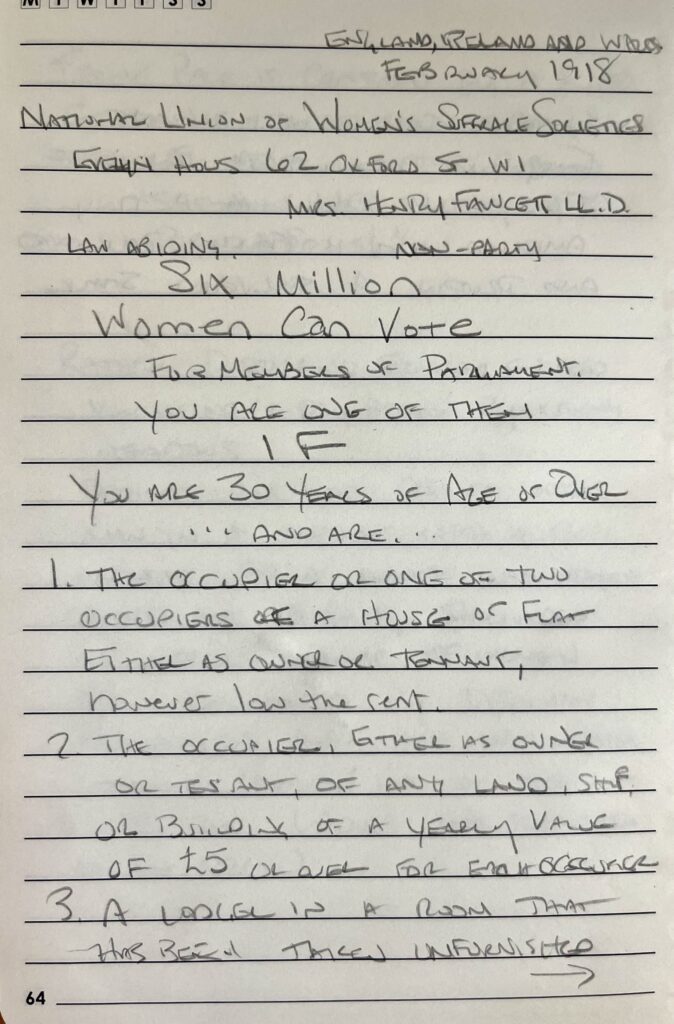
The suffrage document was interesting for different reasons, connecting the political changes of the early twentieth century to the period I’m researching. Women’s growing participation in aviation was unfolding alongside campaigns for voting rights, changes in marriage and property laws, and expanding opportunities for education and employment. The experience of reading the document further deepened my appreciation and enthusiasm for exercising my own rights in our recent U.S. mid-term elections.
Those parallel developments are central to the argument of my work in progress, and I was excited to begin exploring the kinds of original documents that might help illuminate those connections.
The experience also gave me a much better understanding of how archives work, from searching catalogs and requesting materials to handling documents and recording information for future reference.
I enjoyed it so much that I arranged another archival visit in London, where I explored an extraordinary and more contemporary collection of feminist zines. More about that in my London post!
Conversations About Writing
In addition to our group sessions and excursions, we each had opportunities to meet individually with Sherri and Elizabeth to discuss our work.
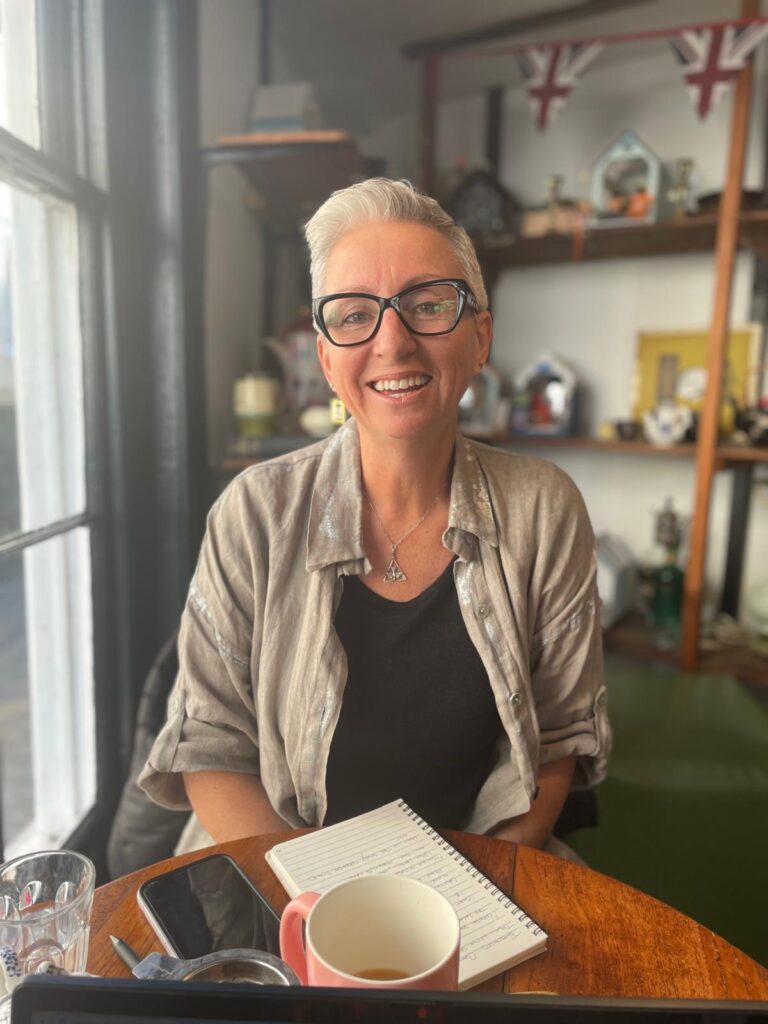
I met with Sherri in a lovely upstairs room at a tea shop, where we talked about organizing historical material into a compelling narrative. She shared some of her experiences writing about historical figures, and we discussed the challenge of deciding which details to include and how to structure a story around them.
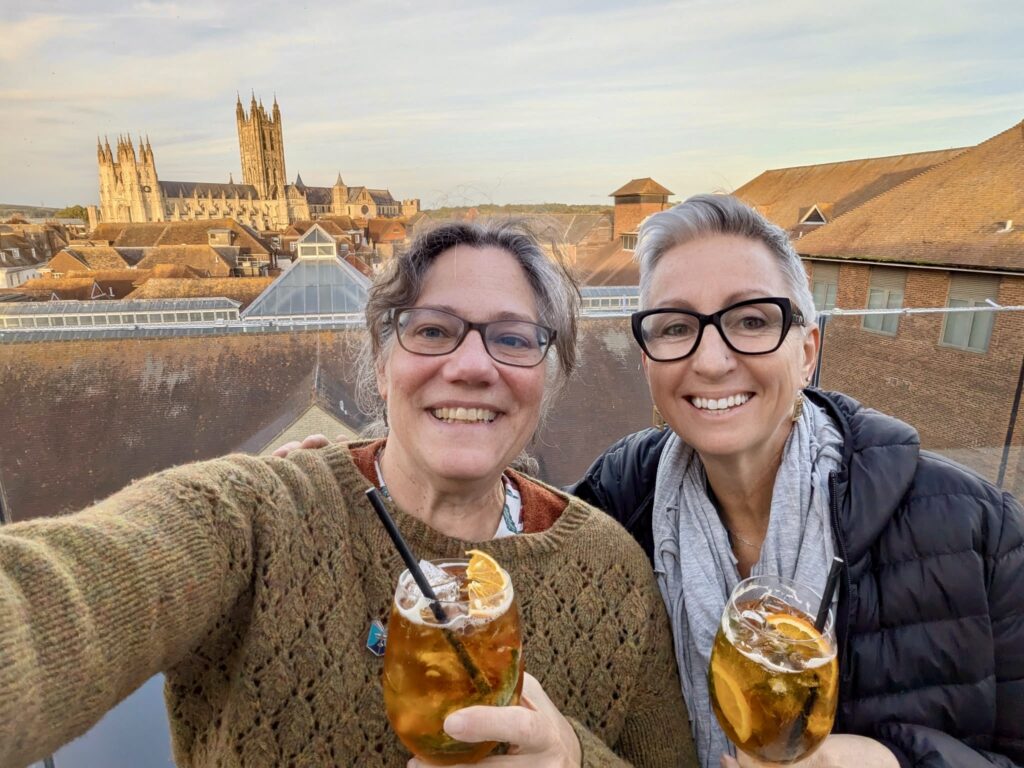
Elizabeth and I met on a rooftop overlooking Canterbury Cathedral as the sun went down and the lights came on. It was a spectacular setting for a conversation about my World War II chapter, and I appreciated the opportunity to benefit from her extensive research and experience writing about women in aviation during the war.
These conversations were particularly valuable because I’m working with such a broad historical scope. The book spans more than a century of aviation and women’s history, and there are countless fascinating individuals and events I could explore in greater detail. One of the challenges is deciding where to linger, where to move more quickly, and how to maintain a coherent narrative through all of it.
I’ve been approaching the manuscript with the discipline of a researcher and historian, but I also want to bring to it the instincts I’ve developed as a fiction writer. The discussions with Sherri and Elizabeth helped me consider how those approaches might complement one another.
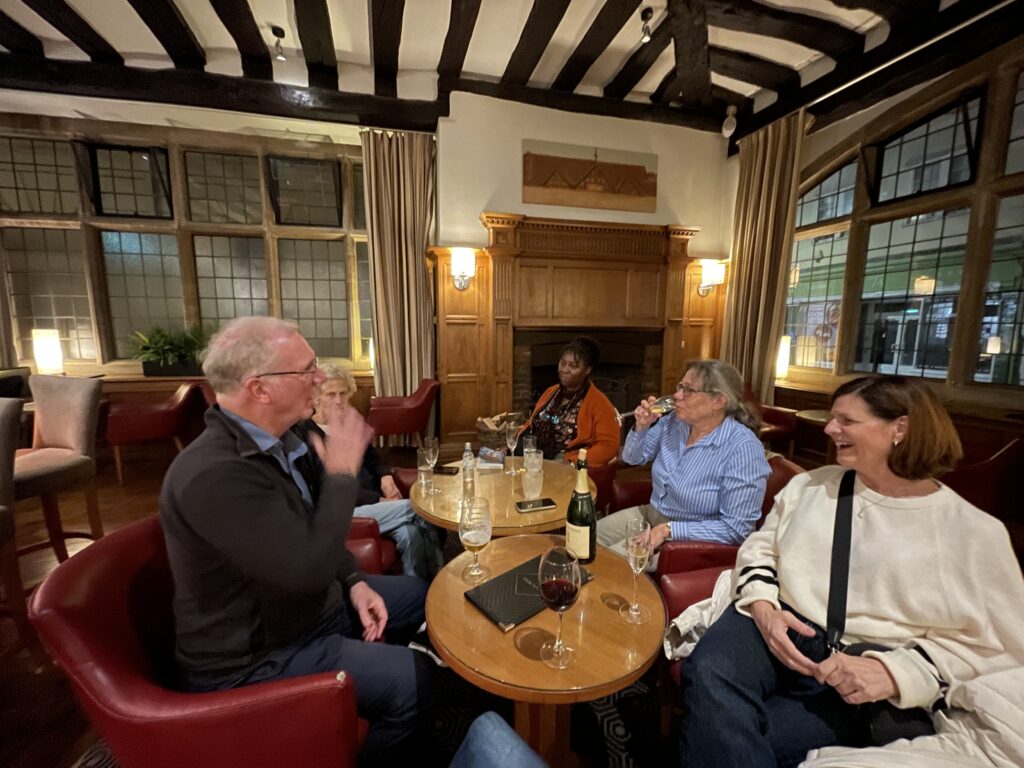
I also appreciated the conversations among our little group throughout the week. We talked about our writing projects, our experiences, and the ways our different backgrounds influence the stories we choose to tell. We enjoyed a Canterbury bookstore crawl, shared meals and evenings together, and found plenty of opportunities for interesting discussions beyond our scheduled sessions.
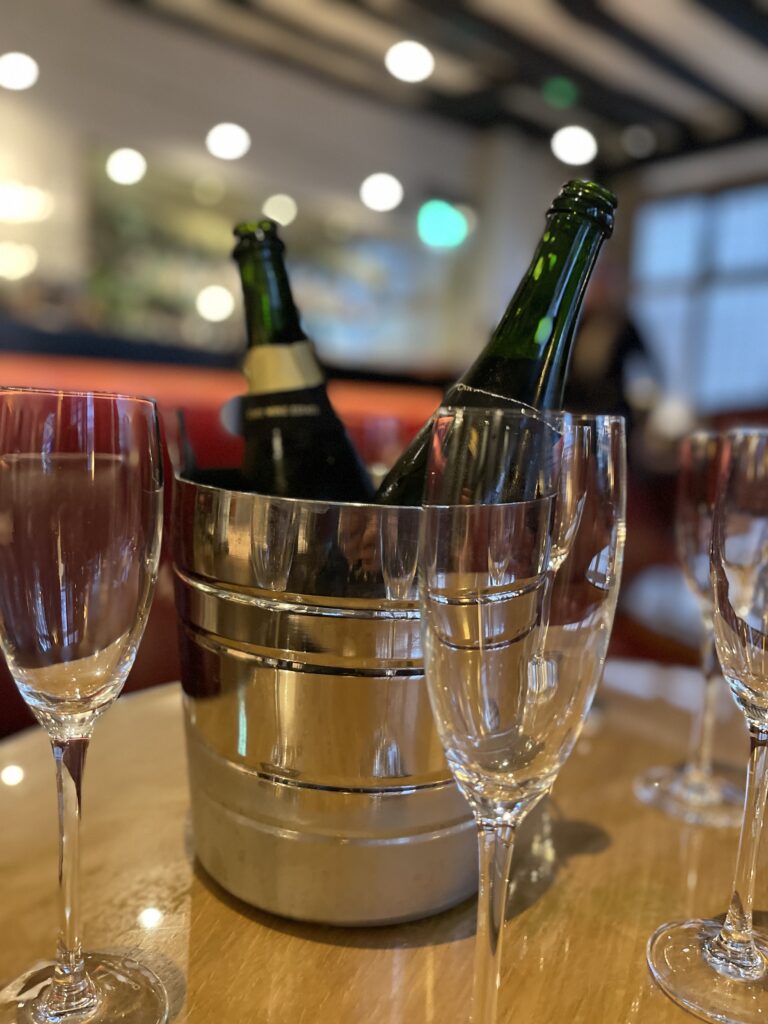
One evening, Laura joined me for a jazz performance featuring a singer from her native Tennessee, and a tasting of sparkling wine from Kent. Our tour guide had told us about the region’s sparkling wines and the particular qualities of the local soil, and I was delighted to discover how good they were. I bought a couple of bottles to share with the group on our final evening.
A Vote of Thanks
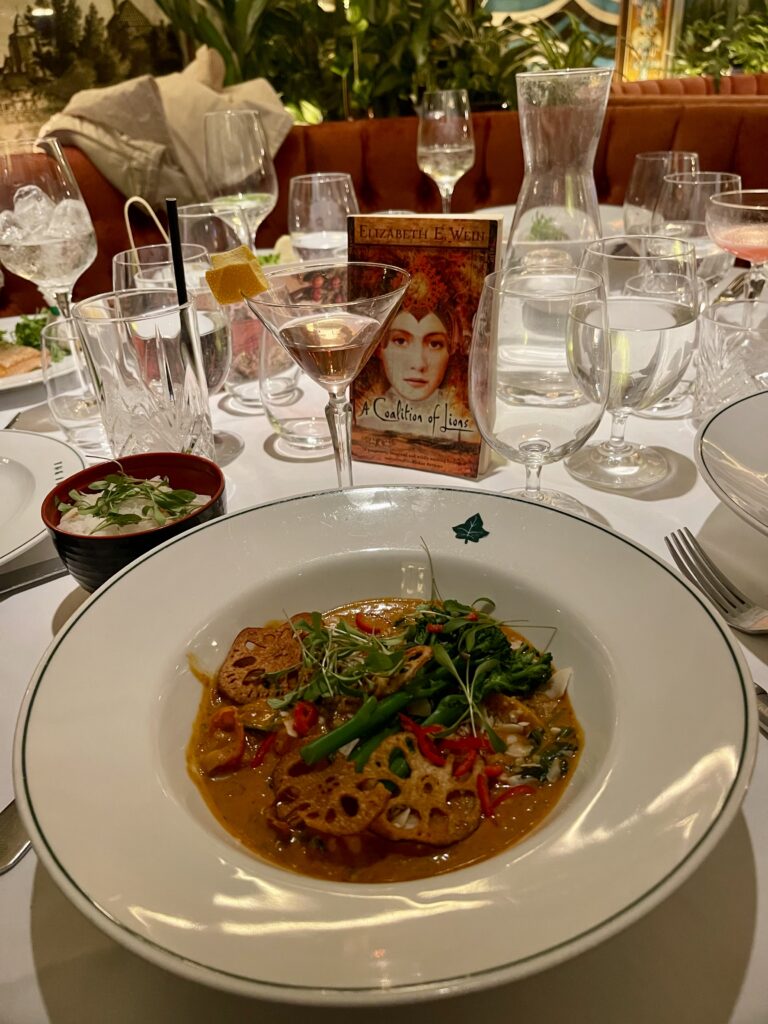
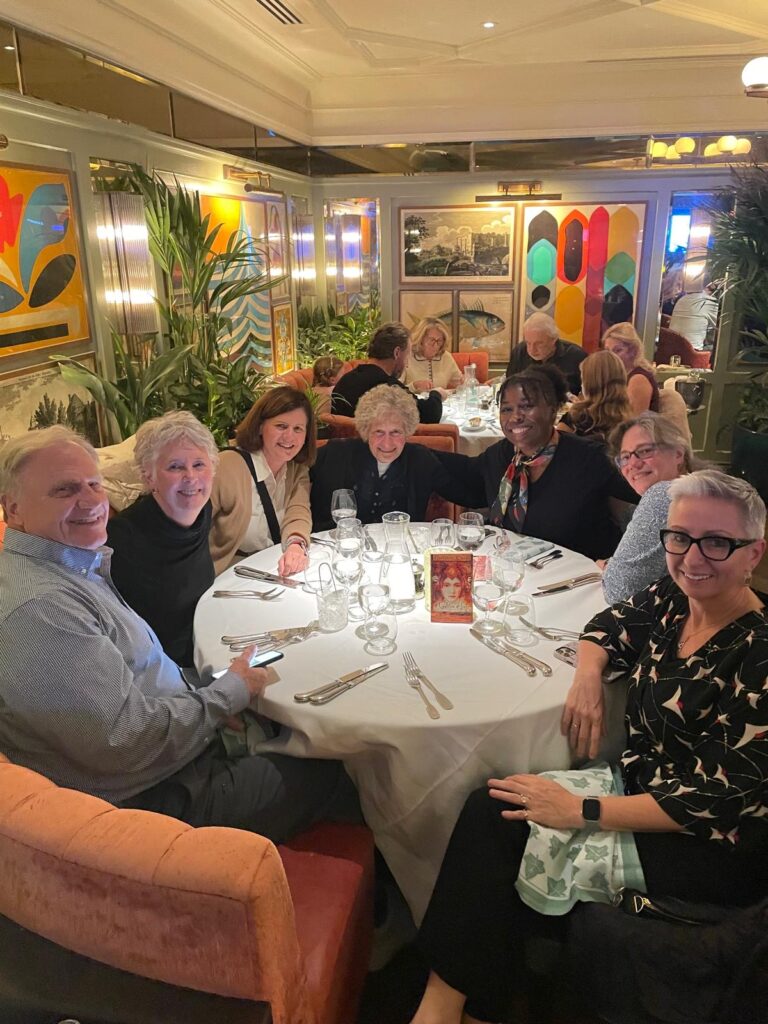
We concluded the retreat with a beautiful farewell dinner at The Ivy in Canterbury. As a former diplomat, I offered the traditional British vote of thanks, which gave me an opportunity to reflect on the week and express our gratitude to Elizabeth and Sherri.
And we had a particularly appropriate figure to preside over our literary pilgrimage.
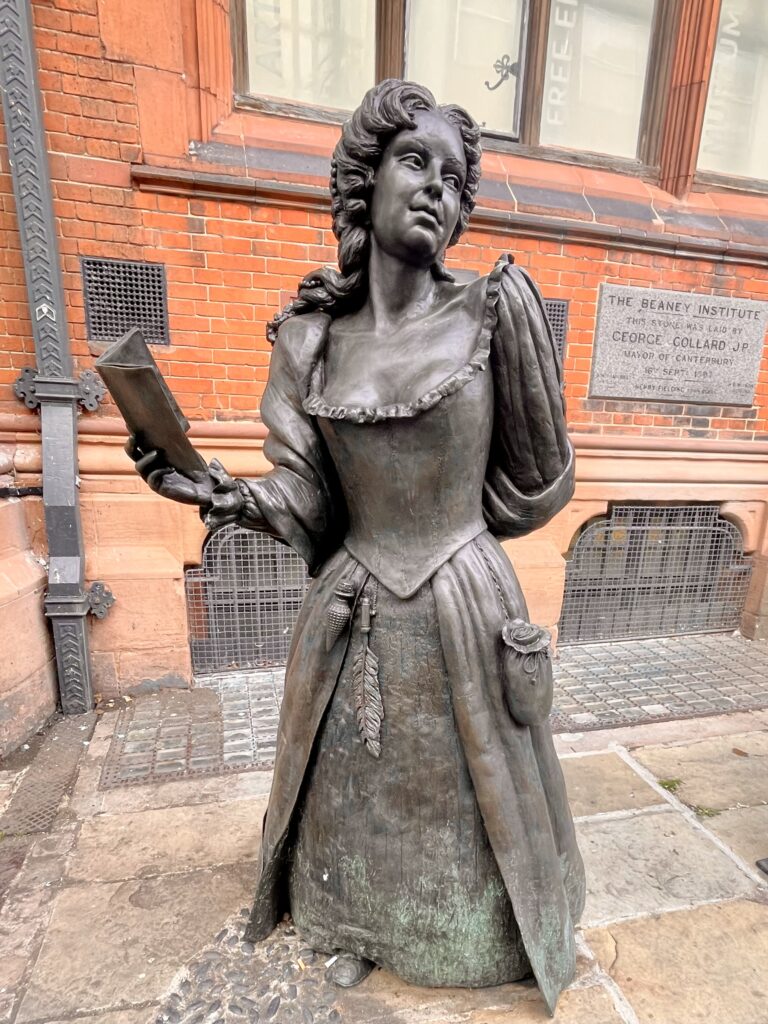
Directly outside our hotel stood a statue of Aphra Behn, the seventeenth-century poet, novelist, playwright, and spy who was among the first Englishwomen to earn a living by writing. She was also famously celebrated by Virginia Woolf in A Room of One’s Own for helping establish women’s right to speak their minds through literature.
Every time we stepped through the hotel doors, there she was, holding her book and keeping an eye on our activities. I imagined she approved.
I reflected on the places we’d visited and the people whose experiences we’d encountered, and on how Sherri and Elizabeth had encouraged us to look more closely at the details that make history accessible and meaningful.
I also wanted to recognize what they’d accomplished by bringing together a small group of writers with different backgrounds, projects, and perspectives. They’d created an opportunity not only to learn from their expertise but to share our own experiences and develop new friendships.
I closed with a toast to Aphra Behn and the women who wrote before us, to the people whose lives survive in objects and archives, and to the writers who ask difficult questions and refuse to settle for simple versions of history.
And, of course, to Sherri and Elizabeth, who had made the whole experience possible.
Bringing the Experience Back to Women in Aviation History
I returned from Kent with a notebook full of ideas, some wonderful memories, new friendships, and a renewed enthusiasm for the manuscript waiting on my laptop.
I’m still working through the challenge of shaping more than a century of women’s aviation history into a narrative that is both historically rigorous and accessible to general readers. The writing sessions and conversations with Sherri and Elizabeth gave me some practical approaches to experiment with, particularly in developing point of view, selecting meaningful details, and building connections between individual experiences and broader historical developments.
I also have a much greater appreciation for the possibilities of archival research, and I’m looking forward to exploring more original sources for future projects.
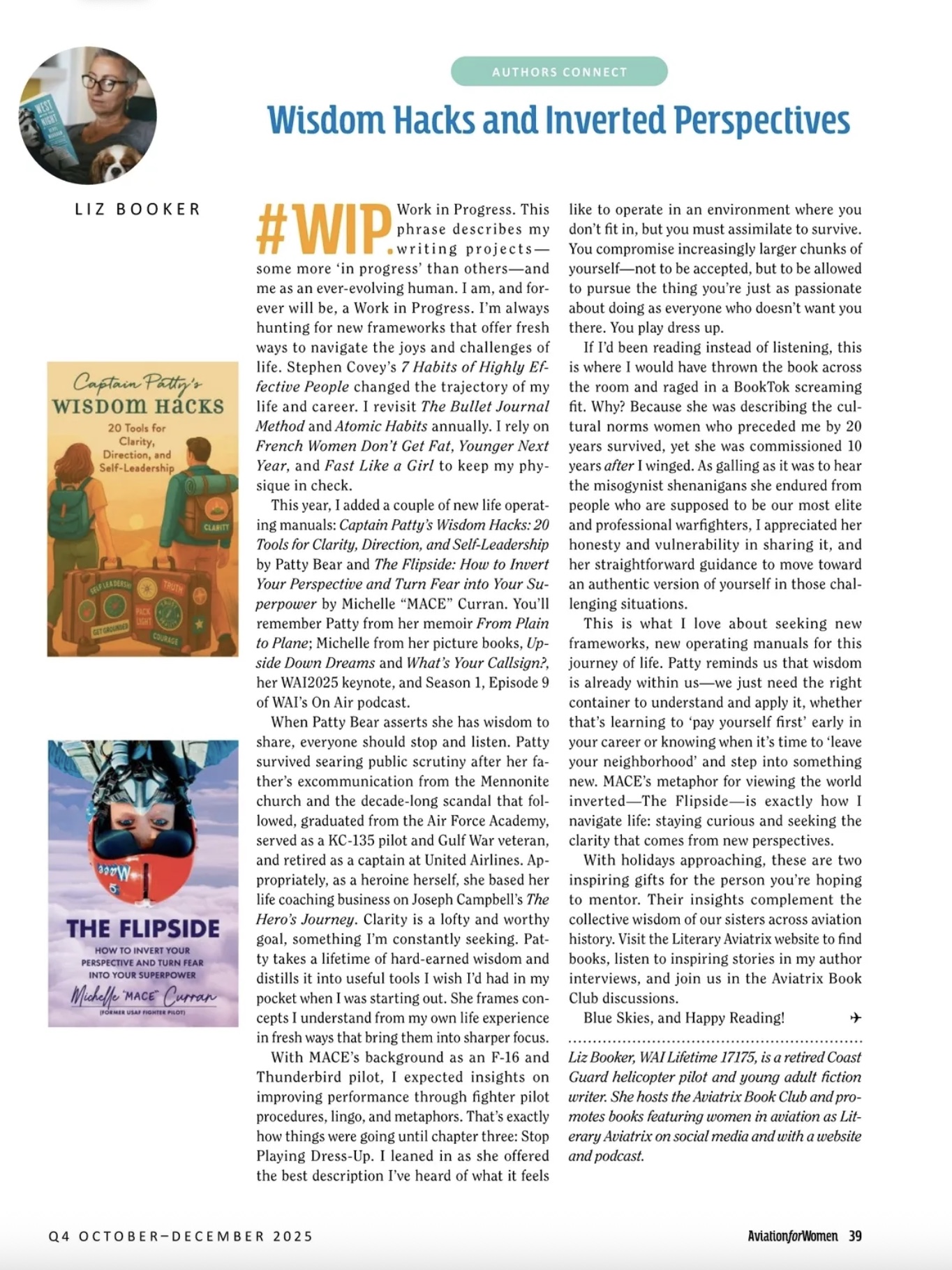
Perhaps most satisfying was the opportunity to spend a week learning from two writers whose work helped motivate my own interest in telling stories about women in aviation. When I first contacted Sherri in 2010, I was still figuring out how to pursue my writing ambitions alongside my Coast Guard career. Since then, I’ve completed an MFA, launched the Aviatrix Book Club, developed friendships and collaborations with writers around the world, and embarked on a history project that brings together so many of my interests.
I have a great deal of work ahead of me, but I’m enjoying the process of discovering what this book can become.
As Sherri reminded us at the beginning of the week, it wasn’t a retreat. It was an advance.
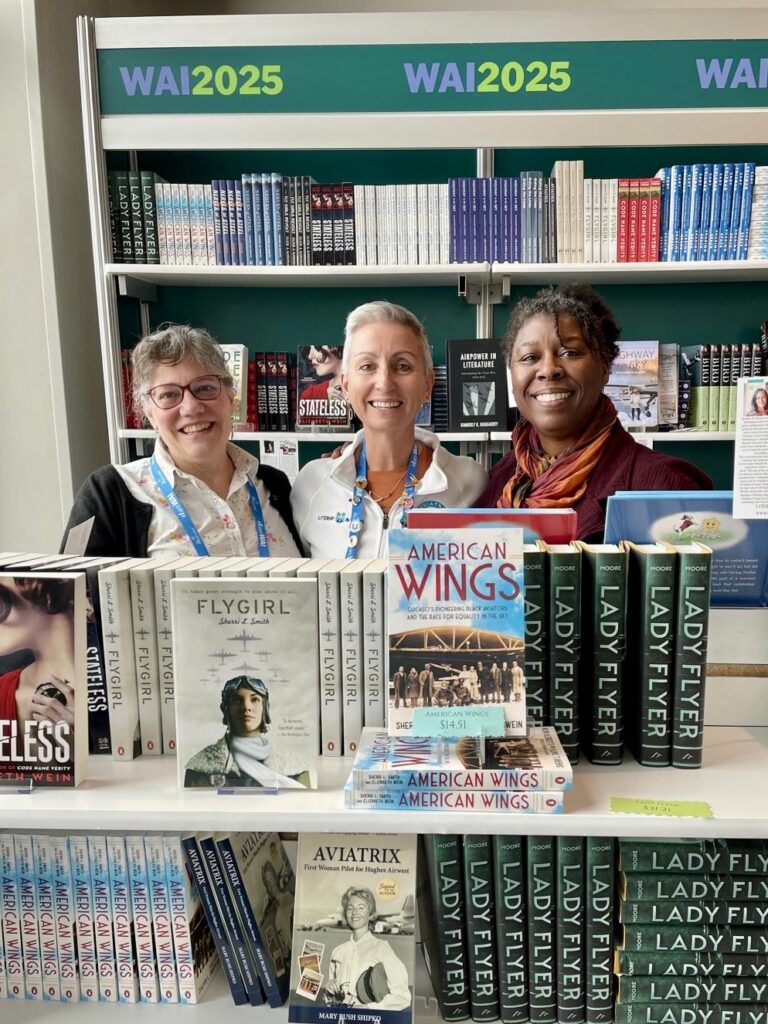
P.S. Sherri AND Elizabeth BOTH finally made it to WAI in 2025 thanks to my encouragement, and I’m so grateful I was able to help coordinate their participation.